

The Ultimate Guide to Winter Footwear: Why Snow Boots Are a Must-Have
As the cold winds blow and the snow begins to fall, a shift happens in our wardrobes. Out come the cozy sweaters, warm coats, and, most importantly, the right footwear to tackle the elements. While many winter boots exist, snow boots hold a special place for their ability to blend practicality with style. But what makes them the ultimate winter essential? It all comes down to their unique construction and design, which are engineered to protect your feet from the harsh realities of winter.
When we think of snow boots, the first thing that comes to mind is warmth. This is achieved through a combination of materials and insulation. The inner lining is typically made from a soft, thermal material like fleece or shearling, which traps body heat and prevents it from escaping. This creates a comfortable microclimate for your feet, even in sub-zero temperatures. But insulation is only part of the story. The exterior of the boot is equally important. It’s often made from water-resistant or waterproof materials such as treated leather, synthetic fabrics, or rubber. This creates a barrier against snow, slush, and rain, keeping your feet dry. The importance of staying dry can’t be overstated; wet feet get cold much faster and are more susceptible to frostbite.
Beyond warmth and dryness, another crucial feature is the sole. A good pair of snow boots will have a thick, lugged sole designed for superior traction. The deep grooves and patterns on the bottom of the boot grip onto slippery surfaces like ice and packed snow, helping to prevent slips and falls. This makes navigating slick sidewalks and driveways much safer. The sole also provides a layer of insulation from the frozen ground, which helps to keep the cold from seeping in from below. A sturdy sole also offers support and durability, ensuring the boots can withstand years of winter wear.
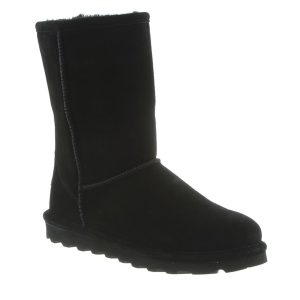
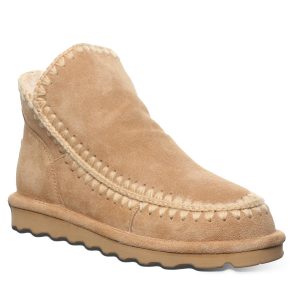
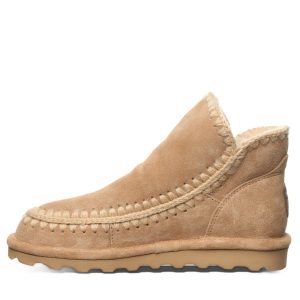
The versatility of snow boots is another reason for their popularity. They are not just for deep snow. Their rugged design makes them suitable for a variety of winter activities, from a casual walk through a snowy park to a day of shoveling the driveway or even a short hike on a wintry trail. While they are built for function, modern snow boots have evolved to be stylish as well. They come in a wide range of designs, from classic, rugged styles to sleeker, more fashionable options that can be paired with everyday outfits. This means you don’t have to sacrifice your personal style for the sake of warmth and safety. Whether you prefer a classic tall boot, a trendy ankle boot, or something in between, there’s a style for everyone.
Choosing the right pair of snow boots is an investment in your comfort and safety for the entire winter season. When shopping, consider the level of insulation, the waterproof rating, and the sole’s traction. Think about how you’ll be using them most often. For light use, a basic pair may suffice, but for frequent exposure to deep snow or very cold temperatures, a more heavy-duty option is a better choice. With so many options available, finding a pair that meets both your practical needs and your aesthetic preferences has never been easier. Embrace the winter season with the confidence that your feet will be warm, dry, and secure, no matter what the weather brings.
Navigating the Snow: A Guide to Choosing the Perfect Snow Boots for Your Needs
Winter can be a magical time, but it also brings with it a unique set of challenges, especially when it comes to staying comfortable and safe outdoors. One of the most important pieces of gear you can own for the winter season is a reliable pair of snow boots. But with so many options on the market, how do you choose the right ones? The key is to consider your specific needs and the conditions you’ll be facing. Different activities and climates call for different types of boots, and understanding these distinctions will help you make a wise investment.
For those who live in a region with mild winters and only occasional light snowfall, a pair of lightweight, insulated boots might be all you need. These boots are typically more flexible and less bulky than their heavy-duty counterparts. They often feature a moderate amount of insulation and a water-resistant upper. They’re perfect for navigating slushy city streets, running errands on a snowy day, or a casual walk in the park. Their less aggressive soles are still suitable for slick surfaces but are also comfortable for extended walking on pavement. The advantage here is that you get the protection you need without the bulk, making them a great everyday choice.
If your winter involves serious snow, freezing temperatures, and extended time outdoors, you’ll want to look at more robust options. This is where heavy-duty snow boots come into play. These boots are built to withstand extreme conditions. Look for boots with a high waterproof rating and a deep, aggressive tread on the sole. The deeper the lugs on the sole, the better the traction on ice and deep snow. High-quality heavy-duty boots often feature a significant amount of insulation, sometimes rated for temperatures far below zero. Some even have a removable liner, which is great for drying and cleaning. The higher shaft of these boots also helps prevent snow from getting inside, a critical feature when you’re trudging through deep drifts.
For those who enjoy winter sports like snowshoeing or winter hiking, a different set of features is important. You’ll want a boot that offers a balance of warmth, waterproofing, and mobility. Look for boots that are specifically designed for these activities, as they often have features that make them more comfortable for dynamic movement. This might include a more flexible upper, a lighter weight, and a sole that can accommodate snowshoes. They also need to be breathable, as physical exertion can lead to sweaty feet, which can get cold quickly. A boot with a moisture-wicking lining is a great choice here.
Finally, don’t forget to consider fit. A snow boot should be snug but not tight. You should have enough room to wear a pair of thick wool socks without your toes feeling constricted. A tight boot can restrict circulation, which will make your feet feel colder. Try on boots with the kind of socks you plan to wear with them. Also, pay attention to the lacing system. A good lacing system allows you to get a secure fit, which is crucial for preventing ankle rolls and providing support. By thinking through your primary use case, you can confidently choose a pair of snow boots that will keep you warm, dry, and safe all season long.